

Fire Extinguisher Compliance Requirements Evolve as Workplaces Add More Electronics and Battery-Powered Equipment
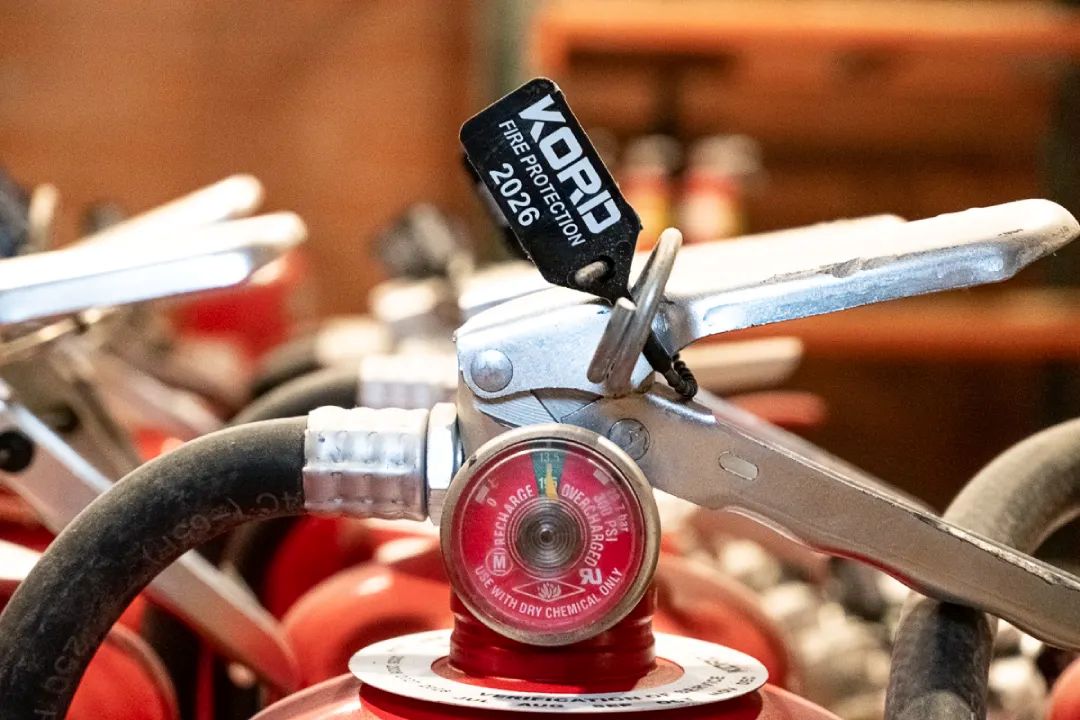
fire extinguisher services
Modern workplaces need the right extinguishers, placement, training, and maintenance as technology-driven fire risks continue evolving.
LOS ANGELES, CA, UNITED STATES, August 17, 2026 /EINPresswire.com/ -- Kord Fire Protection is sharing guidance for facility owners, property managers, safety teams, and business operators as modern workplaces face a changing mix of fire risks tied to electronics, lithium-ion batteries, automation, charging equipment, data infrastructure, and AI-driven technology.Portable fire extinguishers remain one of the most recognizable pieces of life safety equipment in commercial buildings, but their importance is sometimes underestimated. Even as facilities invest in fire alarms, sprinklers, clean agent systems, emergency lighting, and building monitoring, extinguishers still serve an important role as a first line of defense for small, incipient-stage fires.
The challenge is that fire extinguishers are not one-size-fits-all. Different hazards require different extinguisher types, placement strategies, maintenance schedules, and employee education. A facility with office paper, cooking equipment, energized electrical systems, flammable liquids, battery-powered tools, or server infrastructure may need a more detailed review than simply confirming that extinguishers are mounted on the wall.
NFPA 10, the Standard for Portable Fire Extinguishers, provides requirements for extinguisher selection, installation, inspection, maintenance, recharging, and testing. OSHA 29 CFR 1910.157 also addresses workplace portable fire extinguishers, including placement, use, maintenance, testing, and employee education when extinguishers are provided for employee use. For facility teams, these requirements show that extinguisher compliance is not only about possession. It is about readiness.
Common extinguisher classes help identify which type of fire the equipment is intended to address. Class A fires involve ordinary combustibles such as wood, paper, and cloth. Class B fires involve flammable liquids. Class C fires involve energized electrical equipment. Class D fires involve combustible metals. Class K fires involve cooking oils and fats commonly found in commercial kitchens. Using the wrong extinguisher can reduce effectiveness or create additional hazards, which is why hazard-specific selection is important.
Technology has made this conversation more urgent. Many facilities now contain charging stations, battery-powered equipment, data closets, server rooms, robotics, control panels, electrical rooms, and AI-related computing infrastructure. These areas can introduce different fire risks than traditional office or retail spaces. In some cases, sensitive electronics may also require suppression planning that considers water damage, residue, electrical conductivity, and business interruption.
Lithium-ion batteries deserve special attention. Battery-related incidents can involve overheating, thermal runaway, reignition risk, and difficult suppression conditions. Facility owners should not assume that a standard extinguisher placement plan fully addresses battery hazards without review. The correct approach may depend on the battery size, storage arrangement, charging location, occupancy, manufacturer guidance, local code requirements, and emergency response planning.
This is why fire extinguisher service should be treated as part of a broader fire protection program. Routine inspections, annual maintenance, recharging, hydrostatic testing, six-year maintenance where applicable, proper mounting, clear access, correct signage, current tags, and employee education all support extinguisher readiness. A missing tag, blocked extinguisher, discharged unit, wrong rating, damaged hose, or expired service interval can turn a basic safety device into a compliance concern.
Electrical coordination is also becoming more relevant. In facilities with high electrical demand, charging equipment, machinery, server infrastructure, or automation, extinguisher placement should be reviewed alongside commercial electrical systems, power distribution, equipment rooms, control panels, and emergency procedures. Fire protection and electrical safety are separate disciplines, but they often meet in the same spaces where modern fire risks begin.
The same concerns are not limited to the United States. Through fire protection services in Australia, facility owners and business operators can also evaluate extinguisher placement, maintenance, training, and documentation as part of broader life safety planning across commercial and industrial properties.
“Kord Fire Protection encourages facility teams to stop treating extinguishers as generic equipment,” said a company representative. “The right extinguisher, in the right location, with the right maintenance and training, can make a major difference during the earliest stage of a fire. As buildings become more technology-driven, hazard review becomes even more important.”
Modern workplaces are changing quickly. Offices, warehouses, schools, healthcare facilities, restaurants, industrial buildings, and mixed-use properties may now contain equipment and fire risks that did not exist when the original extinguisher plan was created. Reviewing extinguisher type, access, documentation, and employee awareness can help facilities stay better prepared.
Fire extinguisher compliance should not be viewed as a once-a-year box to check. It should be part of an ongoing safety strategy that reflects how the building is actually used today. As electronics, batteries, and AI-driven infrastructure become more common, facilities should review whether their extinguishers, maintenance records, and training programs still match the hazards inside the building.
Darius Kordabadi
Kord Fire Protection
+1 800-918-8978
info@kordfire.com
Visit us on social media:
LinkedIn
Instagram
YouTube
TikTok
X
Other
Legal Disclaimer:
EIN Presswire provides this news content "as is" without warranty of any kind. We do not accept any responsibility or liability for the accuracy, content, images, videos, licenses, completeness, legality, or reliability of the information contained in this article. If you have any complaints or copyright issues related to this article, kindly contact the author above.
